
Posts about Green Living

​Top 5 Tips for Effective Chemical-Free Cleaning-image

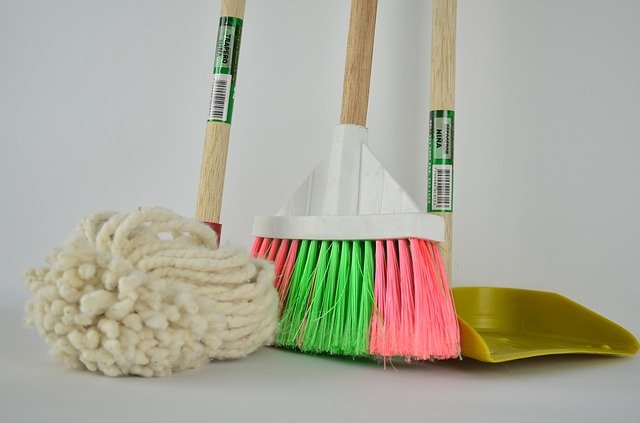
Cleaning our homes is an essential task, but it doesn't have to involve harsh chemicals that can be harmful to our health and the environment. By adopting chemical-free cleaning methods, we can maintain a clean and healthy living space while minimizing our ecological footprint. In this blog post, we'll explore five effective tips for cleaning without chemicals, allowing you to create a safe and eco-friendly home environment.       1. Harness the Power of Natural Cleaning Agents: Natural cleaning agents are effective alternatives to chemical-based cleaners. Vinegar, baking soda, lemon juice, and hydrogen peroxide are versatile ingredients that can tackle various cleaning tasks. For instance, vinegar diluted with water works wonders on glass surfaces, while baking soda can be used as a gentle abrasive for scrubbing stubborn stains. Experiment with different natural cleaning agents to find the ones that work best for your cleaning needs.   2. Embrace the Magic of Microfiber Cloths: Microfiber cloths are a game-changer in chemical-free cleaning. These reusable and highly absorbent cloths are effective at trapping dirt, dust, and bacteria. They can be used dry for dusting or slightly dampened for wiping surfaces. The fine fibers in microfiber cloths act like magnets, lifting away dirt and grime without the need for chemical cleaners. They are ideal for cleaning glass, countertops, stainless steel, and other surfaces throughout your home.   3. Create DIY All-Purpose Cleaners: Make your own all-purpose cleaner using simple and natural ingredients. Fill a spray bottle with equal parts water and vinegar, and add a few drops of essential oils for a pleasant scent. This homemade solution can be used on countertops, appliances, bathroom fixtures, and more. It effectively cuts through grease and grime without leaving chemical residue behind.   4. Steam Cleaning for Deep Cleaning: Investing in a steam cleaner can revolutionize your cleaning routine. Steam cleaning uses high-temperature steam to sanitize and remove dirt and stains from various surfaces. It is highly effective in eliminating bacteria, mold, and allergens without the need for chemical disinfectants. Steam cleaners can be used on floors, carpets, upholstery, tiles, and even mattresses, providing a thorough and chemical-free clean.   5. Regular Maintenance and Prevention: Preventing dirt and grime buildup is key to maintaining a clean home without relying on harsh chemicals. Regularly vacuuming, sweeping, and dusting helps minimize the need for intensive cleaning later on. Place doormats at entrances to trap dirt and prevent it from spreading throughout your home. Wipe up spills promptly to prevent stains and use non-toxic solutions like vinegar and water for routine cleaning.   Cleaning without chemicals is not only better for our health and the environment but also cost-effective and highly effective when done right. By harnessing the power of natural cleaning agents, embracing microfiber cloths, creating DIY all-purpose cleaners, incorporating steam cleaning, and practicing regular maintenance, you can achieve a clean and healthy home without the use of harsh chemicals. Adopt these tips and enjoy the benefits of a chemical-free cleaning routine that promotes well-being for you, your family, and the planet.

Read more

9 Tips for Sustainable Apartment Living-image

Creating a positive environmental impact starts at home. Through sustainable living, we can live a lifestyle that attempts to reduce society’s reliance on the Earth’s natural resources. Apartment dwellers can take earth-conscious steps towards making their home an eco-friendly zone and reap the numerous benefits that come along with sustainable living, which include cost savings and a healthier life. To help you take the first step into sustainable apartment living, here are 9 tips: Reduce Your Energy Use   There are numerous ways to reduce your home’s energy consumption, like making sure to shut down your computer, unplugging idle electronics, and turning off lights when they’re not in use. Speaking of lights, make sure you’re using LEDs , which are eco-friendly, energy-efficient, and have a longer lifespan.   Conserve Water   Did you know the average American uses an average of 82 gallons of water a day at home? What’s more, nearly 1 in 10 people around the world lack access to clean water . Do your part to reduce water consumption by turning off the water when it’s not in use (this includes while washing hands), taking shorter showers, only running your dishwasher when its full, and reporting all water leaks to your Leasing Office. Conserving water protects our ecosystem and can also save you money on your energy bills!   Use Green Cleaning Products   Cleaning products are necessary for maintaining attractive and healthy conditions - the removal of dust, allergens, and infectious agents is crucial to maintaining a healthy indoor environment. However, certain cleaning products may contain chemicals associated with eye, skin, or respiratory irritation, or other human health issues . Making the switch to green cleaning products can help to reduce the human health and environmental concerns that come along with cleaning.   To identify greener cleaning products, consult the EPA’s Safer Choice program , which certifies products that contain safer ingredients for human health and the environment.   Opt for Energy Efficient Appliances   While you may not have a say in the type of larger appliances used in your apartment home, swapping your smaller appliances for eco-friendly alternatives can make a huge difference in your energy bill and carbon footprint. Though they can cost more up front, energy efficient appliances will save you enough in utility costs that they’ll often pay for themselves in a short time.   Shop Sustainable Furniture   Often made of cheap single-use materials derived from questionable working conditions, fast furniture is manufactured quickly and en masse to keep up with passing trends. That kind of consumption is having real ramifications on the planet. The EPA estimates that over 9 million tons of furniture is tossed in landfill each year. What’s more, as furniture decomposes, it can emit harmful gases like methane and carbon dioxide.   When furnishing your apartment home, first opt for secondhand pieces to help keep them out of landfills. If secondhand isn’t an option, opt for pieces made from sustainable materials and by brands that are doing their part to reduce their environmental impact .   When it comes to floor coverings, choose rugs made with natural materials like organic cotton, seagrass, jute, and wool.   Control Temperature Naturally   Besides adding a touch of design and personality to your apartment, window treatments provide shade against the sun in the summer and trap heat during winter. When choosing window attachments, look for products certified with the Attachments Energy Rating Council (AERC) Energy Improvement rating for increased energy savings and added comfort.   Control the temperature in your home more naturally by opting for an open window vs air conditioning or adding or removing layers of clothing. And when it is time to turn on the thermostat, make sure to schedule your programmable thermostat for optimal energy savings.   Reduce Your Overall Consumption   Recycling items you’re no longer using is a great way to reduce your footprint, but reducing your consumption in the first place has an even bigger impact.   Buying less isn’t about purchasing only sustainable brands or shopping secondhand. It’s about being thoughtful with what you buy, thinking about the future, and spending your hard-earned cash on things you’ll actually use.   Opt for Zero-Waste Consumables   Single-use plastics are a glaring example of the problems with throwaway culture and reflect our tendency to prioritize convenience over durability and consideration of long-term impacts. Of the 300 million tons of plastic waste produced each year worldwide, half of that is for single-use items.   Zero waste alternatives can be found for nearly every single use plastic consumable – like toilet paper, dish soap, laundry detergent and more!     When it comes to living a low waste lifestyle, perfection isn’t the prime objective. Simply swapping out one or a few of your “normal” items for these zero waste products is a significant move.   Compost Food Waste   Tossing food waste into a garbage bin might seem like no big deal, but food waste sent to landfills can seriously impact climate change. When food waste is trapped in a landfill without air, it releases methane, which is a potent gas that contributes significantly to global warming.   One way to avoid this is to compost your food waste . Composting is a process of naturally recycling organic materials like leaves and food scraps into decomposed matter that enriches the soil. Composting simply speeds up the process of decomposition by creating the ideal environment for microorganisms to feed on them.   You can add compost to your window boxes or mix it with potting soil for indoor plants.   Creating an eco-friendly apartment has immense benefits, from ridding your space of dangerous greenhouse gas emissions, improving your health by avoiding products and materials that contain toxic chemicals, and saving energy by using lights and electrical appliances that are power efficient. Practice the tips mentioned above and create an eco-friendly apartment. Not only will you save money, but you will be doing your part in saving our planet.

Read more
1 2
7 - 8 of 8 total